Newsletter Subscribe
Enter your email address below and subscribe to our newsletter
All voices matter
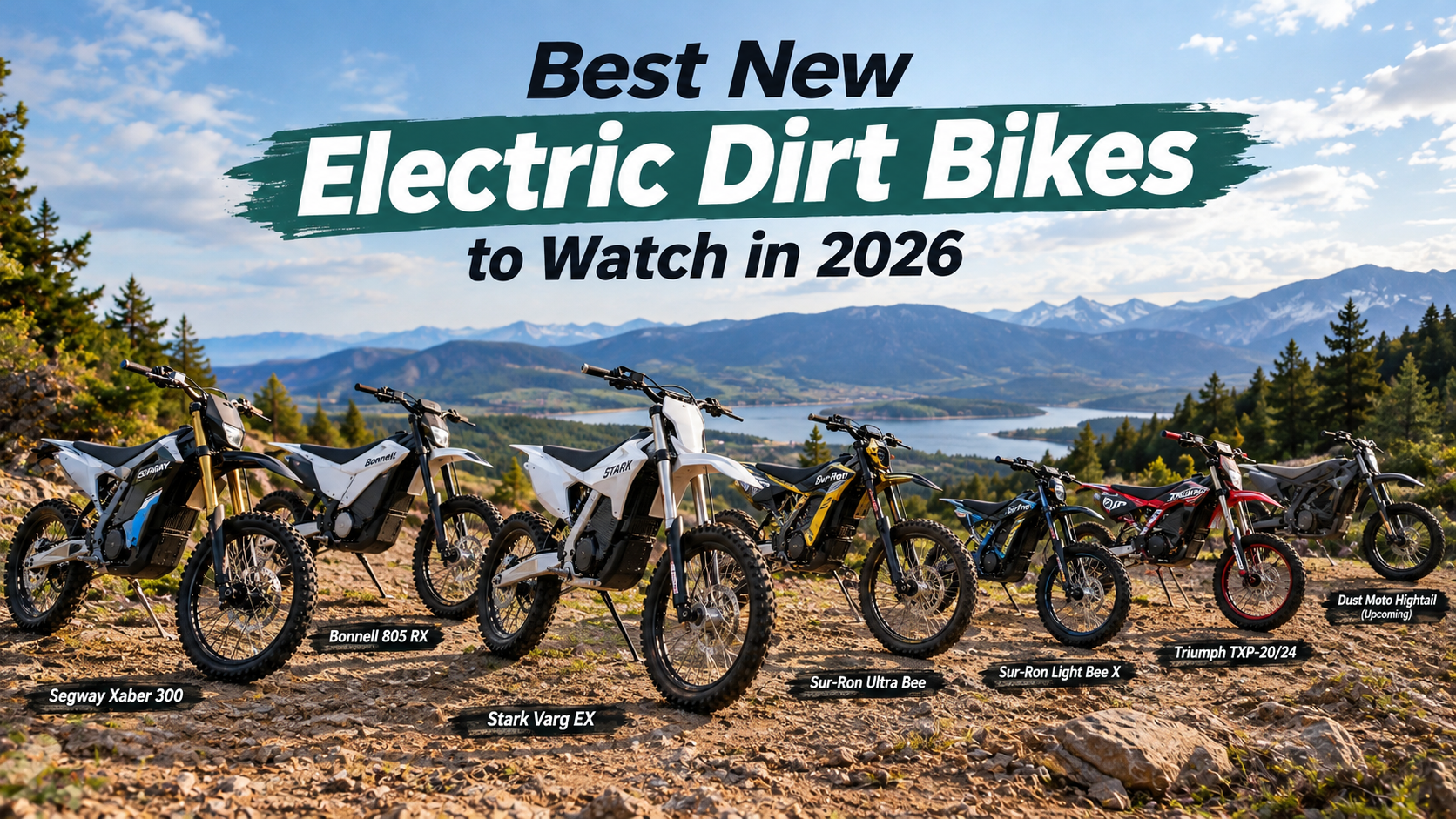
Electric dirt bikes offer an exciting way to explore off-road trails without the noise, exhaust, or gear shifting associated with many traditional gas-powered dirt bikes. Their smooth power delivery and simple controls can make them appealing to beginners, but learning to ride safely still requires preparation, patience, and practice.
Unlike conventional motorcycles, many electric dirt bikes deliver torque almost instantly. That means even a small twist of the throttle can produce a surprisingly quick response.
If you’re new to electric off-road riding, this guide covers the essential controls, safety equipment, and riding techniques you should understand before heading onto the trail.
Before riding, spend a few minutes getting familiar with your bike.
Most electric dirt bikes have a relatively simple control layout, although specific features vary between manufacturers and models.
Common controls include:
Always read your owner’s manual before your first ride. Check whether your bike has regenerative braking, adjustable power settings, or a separate motor-enable switch.
For beginners, selecting the lowest available power mode can make throttle control easier to learn.
Even at relatively low speeds, falling from a dirt bike can cause serious injuries.
Before riding, wear appropriate protective equipment.
| Safety Equipment | Why It Matters |
|---|---|
| Certified motorcycle helmet | Helps protect against head injuries |
| Motocross goggles | Protect eyes from dust, mud, and debris |
| Motorcycle gloves | Improve grip and protect hands |
| Off-road riding boots | Support ankles and protect feet |
| Knee and elbow protection | Helps reduce injuries during falls |
| Protective jacket and pants | Provide abrasion and impact protection |
Choose equipment designed for motorcycle or motocross riding rather than ordinary cycling gear.
Make sure your helmet fits properly and meets an applicable motorcycle safety standard.
Your first ride should take place in a flat, open area away from traffic, pedestrians, steep slopes, and difficult obstacles.
A designated beginner-friendly off-road riding area is ideal.
Before starting:
If possible, practice with an experienced rider or qualified instructor.
Avoid public roads unless your bike is road-legal and you meet local licensing and registration requirements.
Throttle control is one of the most important skills for new electric dirt bike riders.
Because electric motors can produce strong torque from a standstill, aggressive throttle inputs may cause sudden acceleration or loss of traction.
Start with these steps:
Practice starting and stopping repeatedly until the bike’s response feels predictable.
Avoid sudden throttle movements, especially on loose gravel, wet grass, or muddy surfaces.
Good riding posture improves control and helps you respond to changing terrain.
While riding on smooth ground:
When riding over uneven terrain, standing on the footpegs with slightly bent knees can help your legs absorb bumps.
However, beginners should first become comfortable with basic seated riding before practicing standing techniques.
Electric dirt bikes may use different braking systems, so always confirm which control operates each brake.
Practice braking on flat, predictable ground.
Begin at walking speed and apply the brakes smoothly and progressively.
As your confidence improves, practice stopping from slightly higher speeds while maintaining balance.
Avoid grabbing the front brake abruptly, especially on loose surfaces, because this can cause the front tire to lose traction.
Also remember that regenerative braking, when available, may not replace conventional brakes.
Once you’re comfortable accelerating and braking, begin practicing wide turns.
Start with large circles before attempting tighter corners.
A few useful techniques include:
Loose dirt and gravel provide less traction than pavement, so approach unfamiliar corners cautiously.
With practice, you’ll develop a better understanding of how the bike responds to different surfaces.
Electric dirt bike range depends on several factors, including battery capacity, rider weight, speed, terrain, temperature, and riding style.
Steep climbs, frequent acceleration, and aggressive riding can significantly increase energy consumption.
Before heading onto longer trails, check your battery level and plan enough reserve capacity for the return trip.
Use the manufacturer-approved charger and follow the battery charging instructions.
Avoid charging a visibly damaged battery, and do not expose charging equipment to unsuitable weather conditions.
Related Reading: How Long Do Electric Dirt Bike Batteries Last? A Complete Guide for Riders — replace this homepage link with the article’s exact URL.
Not every electric dirt bike is suitable for beginners.
Some lightweight models are designed for casual trail riding, while high-performance electric motocross bikes can deliver powerful acceleration that requires more experience.
When comparing beginner-friendly models, consider:
The right bike should match your physical size, riding experience, and intended terrain.
Related Reading: Best Electric Dirt Bikes for Adults in 2026 — replace this homepage link with the article’s exact URL.
New riders often make similar mistakes during their first few sessions.
These include using too much throttle, looking directly at obstacles, braking suddenly, and attempting difficult trails before mastering basic control.
Another common mistake is focusing entirely on speed instead of technique.
Developing smooth acceleration, controlled braking, and consistent balance is much more valuable than riding fast.
Start with short practice sessions and gradually introduce new challenges as your confidence and ability improve.
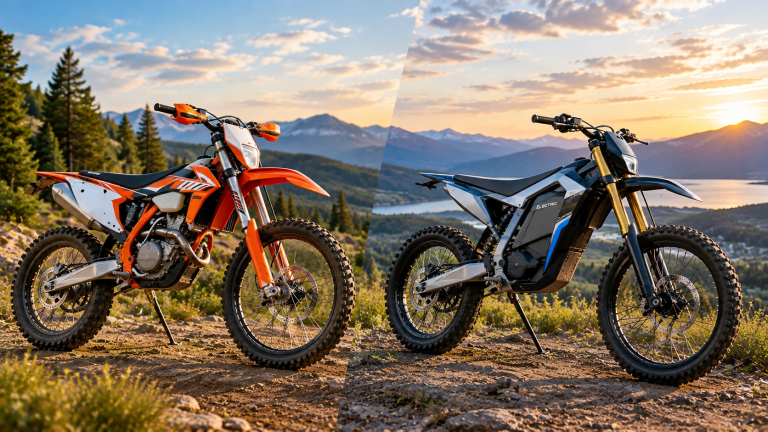
Electric and gas-powered dirt bikes offer different learning experiences.
| Feature | Electric Dirt Bike | Gas Dirt Bike |
|---|---|---|
| Power delivery | Immediate motor response | Depends on engine and gearing |
| Gear shifting | Often not required | Common on full-size models |
| Noise | Generally quieter | Generally louder |
| Maintenance | No engine oil changes | Regular engine-related maintenance |
| Beginner experience | Simple controls, but potentially strong torque | More controls on manual-transmission models |
Neither type is automatically safer. The bike’s size, power, setup, and rider experience matter more than the power source alone.
Related Reading: Electric Dirt Bikes vs Gas Dirt Bikes: Key Differences in 2026 — replace this homepage link with the article’s exact URL.
Learning how to ride an electric dirt bike takes time, but the process becomes more enjoyable as you build confidence.
Begin in a controlled environment, wear proper safety gear, and focus on smooth throttle control, braking, balance, and turning before attempting challenging terrain.
Electric dirt bikes can provide a rewarding introduction to off-road riding when used responsibly and matched to the rider’s skill level.
The most important goal for your first few rides isn’t speed. It’s developing the skills and judgment needed to ride safely and confidently.